
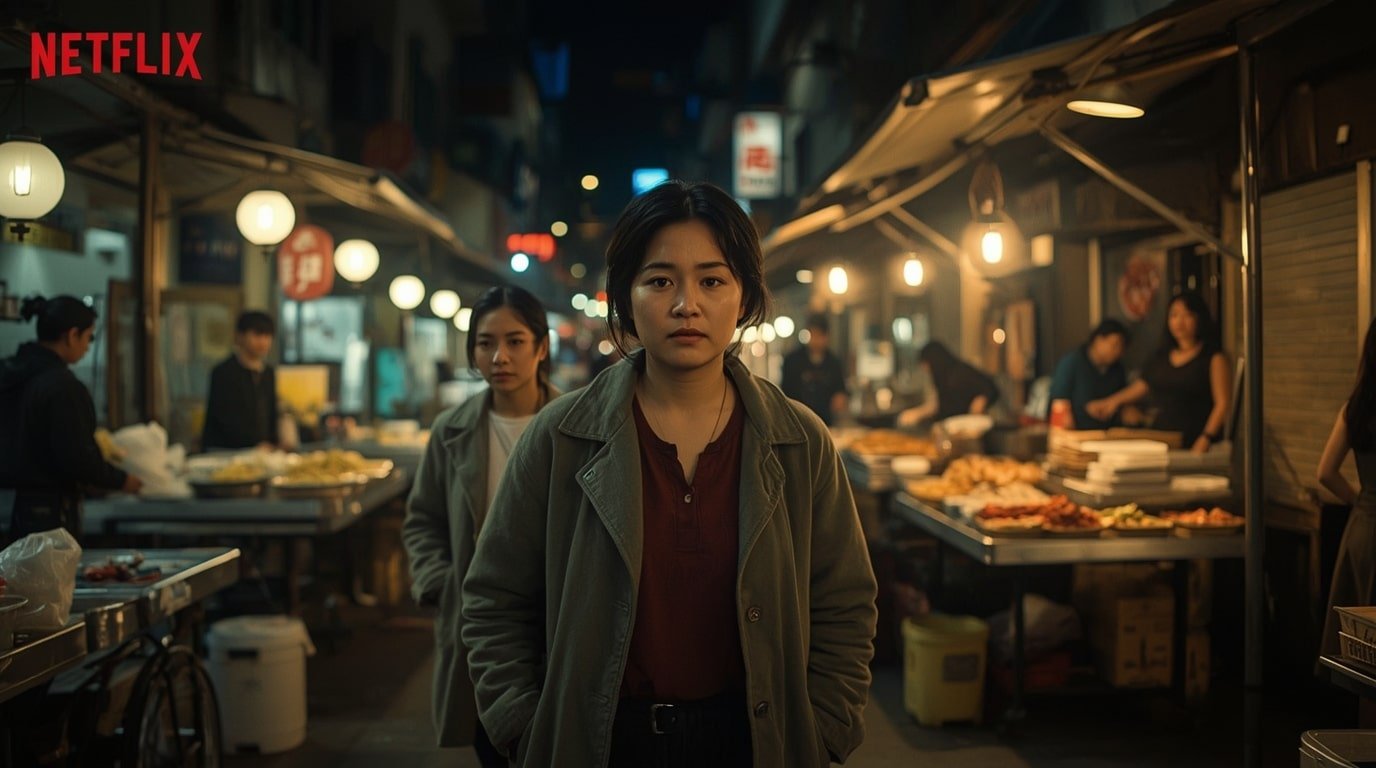
Following an initiative that underscores the aspect of Netflix strategising on international storytelling, the critically acclaimed movie, Left-Handed Girl, is released on its global streaming platform on November 28, 2025, right on time before the spurt of holiday viewing.
By November 30, 2025, the film is already ascending to the top of Netflix rankings in various theatres, and it has been praised because of its addictive approach to the family structure and its balance of warmth with the bustling Taiwanese night markets.
The release is part of a busy November schedule of Netflix that sees the return of hits of its series and specials, but Left-Handed Girl is a moving indie gem that was chosen as the official submission of Taiwan in the category of Best International Feature Film at the 2026 Academy Awards. Initial ratings indicate it is finding an audience that wants emotionally charged movies rather than high-energy action movies, making Netflix a major party to include in awards-season debates.
A Story of a Moving and a Discovery
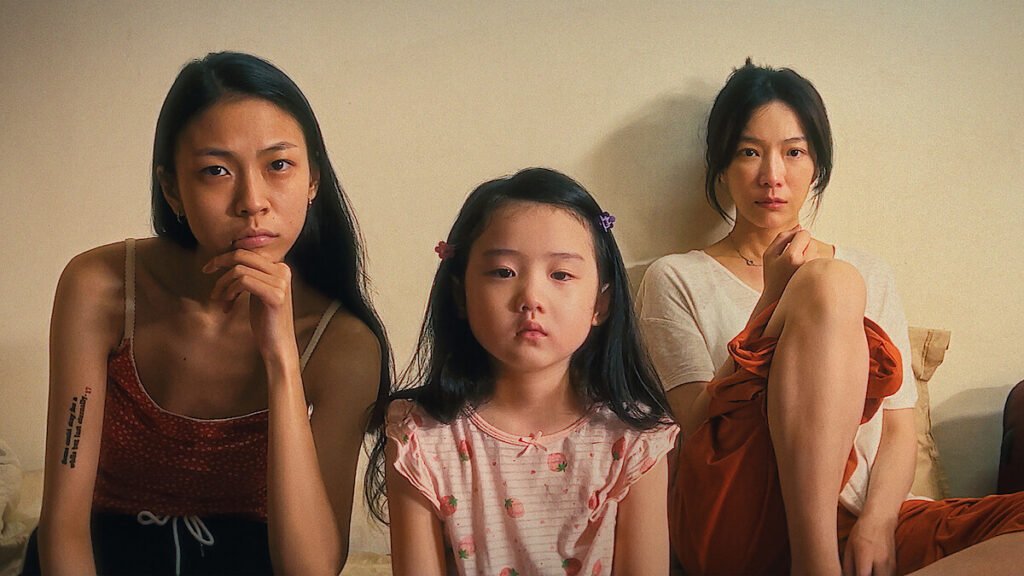
Directed, produced and co-written by Shih-Ching Tsou with renowned director, producer and writer Sean Baker, Left-Handed Girl is a story of a strong female mother and her two daughters who relocate their existence in order to start a new life in the busy city of Taipei.
The family sets up a small booth in one of the most recognisable night markets in the city, where the atmosphere is filled with the aroma of the sizzling street food, the glow of neon and the crowds of locals.
But what is initially a promising project turns out to be a nightmare when some hidden secrets come to light and challenge their relationship, which connects them. The story explores the concept of identity, cultural alienation, and the silent baggage women carry between generations, all set against the backdrop of daily challenges and silent successes.
The title of the film is based on a cultural aspect of Taiwanese folklore that being left-handed is symbolic of being different or even unlucky, a sentiment shared by the main characters in their new world. The movie directed by Tsou is deeply vibrant with the reality of the city of Taipei, the damp streets crowded with vendors, and the tense family dinners.
The movie has received rave reviews because of its elegant pacing, where emotional revelation comes as a natural progression of plot aspects of the film, as opposed to being forced with plot twists.
The story leads to a cathartic climax as the daughters explore the adolescent period in the background of their mother, causing the audience to ponder their family backgrounds. This more solid offering is in opposition to Netflix’s more fantastical offerings this month, which is a refreshing departure for subscribers who want content centred on character.
Star-Studded Yet Intimate Cast
This family saga is enhanced by the ensemble performance of the main characters, where the female protagonist is played by the prolific acting of the mother figure, played by the long-established Taiwanese actress Hsieh Ying-xuan, who has played various roles in acclaimed films such as Dear Ex.
Her subtle show of a woman battling with remorse and willpower grounds the movie, and is being applauded as a possible Oscar nomination. Vivi Chen and Lulu Huang are the daughters, and their roles are filled with a sense of youthful vulnerability and rebellion. and they manage to bring the generational conflicts to the plot.
Director Shih-Ching Tsou, a producer by years end on such projects as Tangerine and The Florida Project with Sean Baker, adds a personal touch to the screenplay, as it is her first feature as a director. It is also a touch of indie credibility that Baker, as co-writer, brings to the collaboration with Tsou with his trademark slice of life style and cultural expertise.
The premiere of the film at the Cannes Film Festival earlier in 2025 was met with a lot of acclaim, with critics applauding its depiction of an authentic representation of the experiences of Asian immigrants. Shortly afterwards, Netflix took the streaming rights, which conformed to the strategy of the platform to strengthen its international library and its target to attract various audiences in the world.
Making Insights: Cannes to Streaming Screens
The Left-Handed Girl was shot on the streets, mostly in Taipei, and the director used the actual night markets to place the viewers in the nightlife of the city. In interviews, Tsou has said that the film had its share of difficulties, such as bad weather and the need to organise with the local vendors; however, it contributed to the realism of the film.
With a small budget and concentrating on realistic effects and natural lighting to bring out the gritty appeal of Taiwanese city life, it was shot in a way that was reminiscent of the Hollywood style. Production ended in the middle of 2025, around the same time, and precisely when it could be submitted to the festivals, it won the nomination for the Taiwanese Oscar.
When Netflix chose to release the movie on the Thanksgiving weekend, it took advantage of the family viewing habits, and the promotional efforts focused on the aspects of reconciliation and heritage.
The platform has behind-the-scenes featurettes that provide a glimpse at how the Tsou was casting, location scouting and how she utilised her own experiences as a Taiwanese-American filmmaker. The soundtrack of the movie that combines traditional Taiwanese folk music with modern indie songs adds to the cultural immersion, as it was done by a young artist, Lim Giong.
Audience Buzz and Critical Reception
Since its debut, social media has been abuzz with commentary on Left-Handed Girl, emotional and cultural commentaries about its effects on viewers and how it connects to culture. It has been highly adopted by viewers in the Asia-Pacific regions, and Netflix has shown a sharp increase in watch hours in Taiwan and other nations.
The foreign viewers are learning about the specifics of the night market culture, which provoked such trends as virtual tours or recipes which are emulated by the food scenes in the movie. It has received high ratings by critics, with Variety and The Hollywood Reporter outlets citing its potential to overcome East-West boundaries in film.
Although there are reviews pointing to a purposeful slow burn, which may not be to everyone’s taste, it is agreeable that Left-Handed Girl is a success of delicate narration. Its nomination at the Oscars gives Netflix some prestige to its slate, after such wins as Roma and All Quiet on the Western Front. Online forums are hype by the fan theories concerning ambiguous aspects of the plot, including the unexplored background of the mother, which has widened the reach of the film beyond its original streams.
Prospects of International Cinema on Netflix
At the end of November, Left-Handed Girl can be regarded as an example of how Netflix is encouraging inclusivity globally, and the release of other works in December will fill it with more diverse stories.
The success of the film may be the first step to further partnership between streaming giants and indie directors, which would make world cinema more democratic. To award followers, its career will be followed closely until the 2026 Oscars, which may become another milestone in terms of Asian representation.
This launch highlights how Netflix has shifted away from being a content aggregator and become a cultural keeper of stories, which makes the platform indispensable to cinephiles. As Left-Handed Girl is now being distributed globally, it is an invitation to see where the family life has its dark secrets, with heartbreak and hope in one of the most discussed movies of the year.